Cultural Resource Management
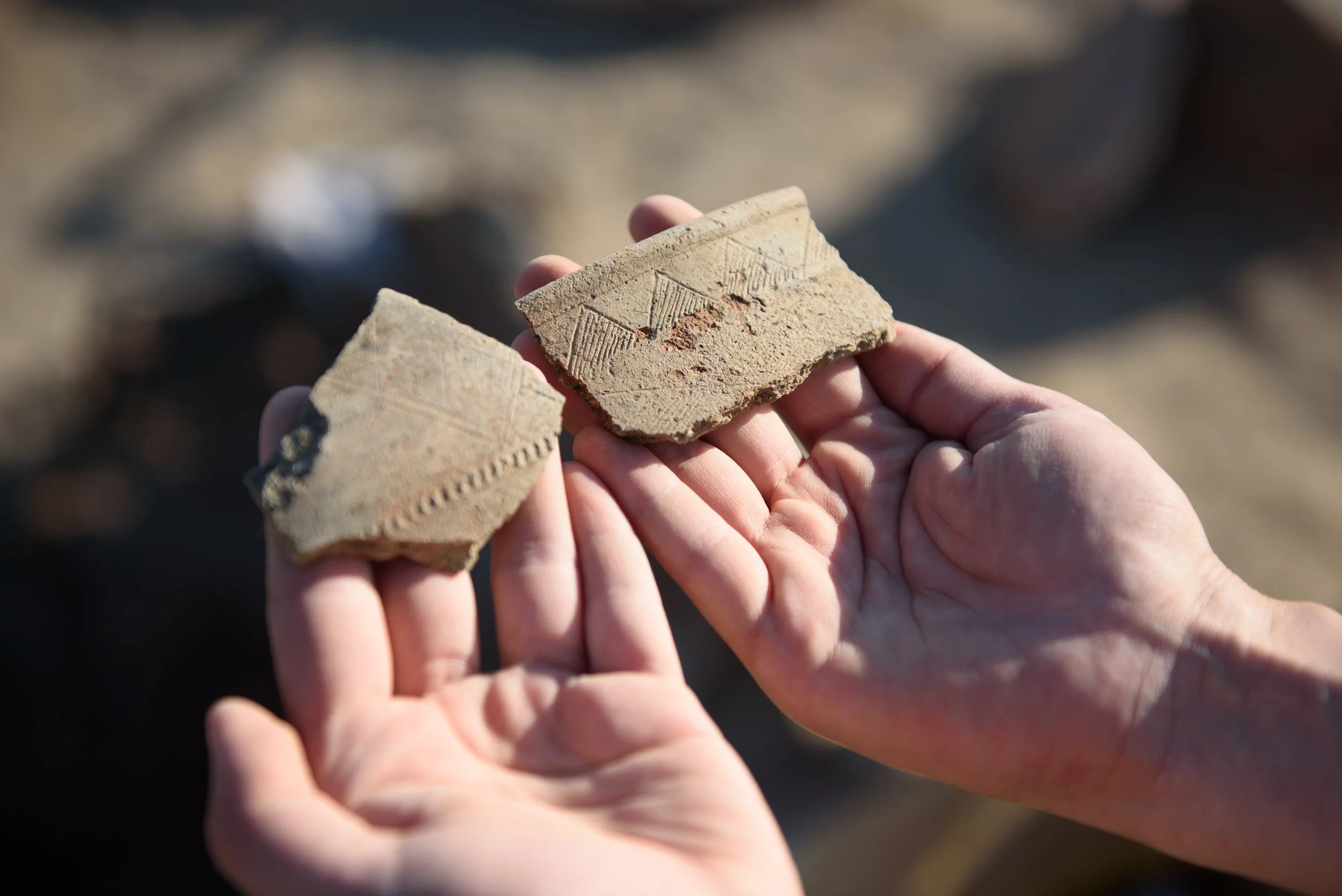
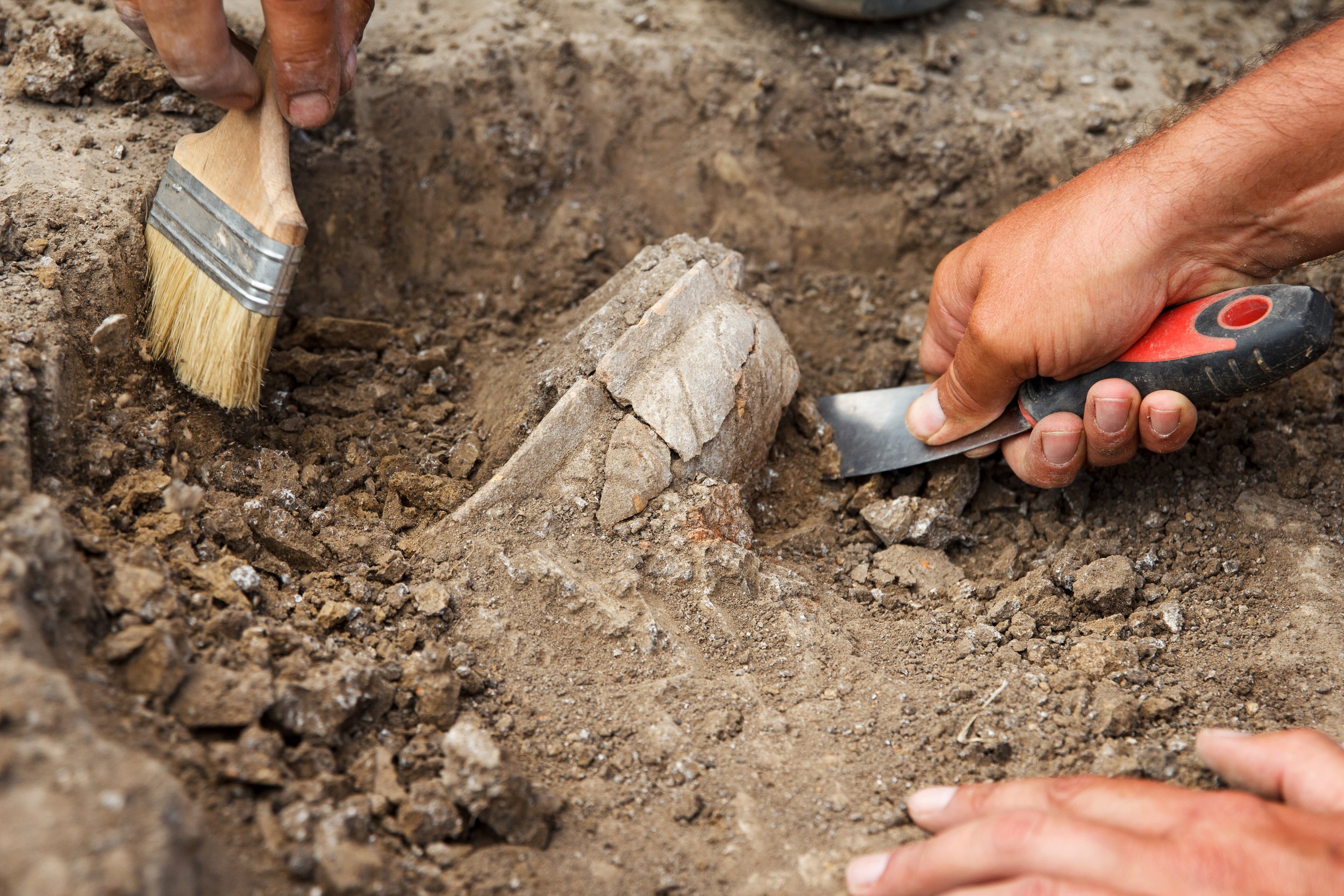
Muwekma Archaeological Services, incorporated as Muwekma Ohlone Tribe Inc., a non-profit organization founded and managed by the Muwekma Ohlone Tribe of the San Francisco Bay, has been engaged in Cultural Resources Management projects since the mid-1980s. Originally founded as Ohlone Family Consulting Services (OFCS), we are dedicated to the preservation and protection of Ohlone cultural heritage and offer specialized services to construction management firms and agencies. Our focus is on ensuring compliance with state and federal laws governing Native American cultural resources.
These services emphasize proactive monitoring of construction sites to prevent desecration of burial grounds and sacred sites, respectful relocation of human remains and associated funerary objects, and comprehensive scientific archaeological/biological-related analysis of uncovered artifacts and ancestral remains. By partnering with the Muwekma Ohlone Tribe, firms can mitigate project risks, fulfill regulatory obligations under the California Environmental Quality Act (CEQA) and other state and federal statutes, and demonstrate cultural sensitivity in development projects within traditional Ohlone territories.
This Scope of Work outlines our services, subsegments of work types, process timelines, and relevant California state and federal laws and regulations. Services are tailored to project scale, location, and potential impacts, with fees structured on a per-project or hourly basis (to be negotiated). All activities prioritize tribal sovereignty, cultural protocols, and dignified treatment of ancestral remains and artifacts.
Services Provided
The Muwekma Ohlone Tribe Inc. provides end-to-end cultural resource management services, including:
Pre-Construction Cultural Resource Assessment and Consultation Identification of potential tribal cultural resources (TCRs) through archival research, sacred lands file reviews, and tribal knowledge-sharing.
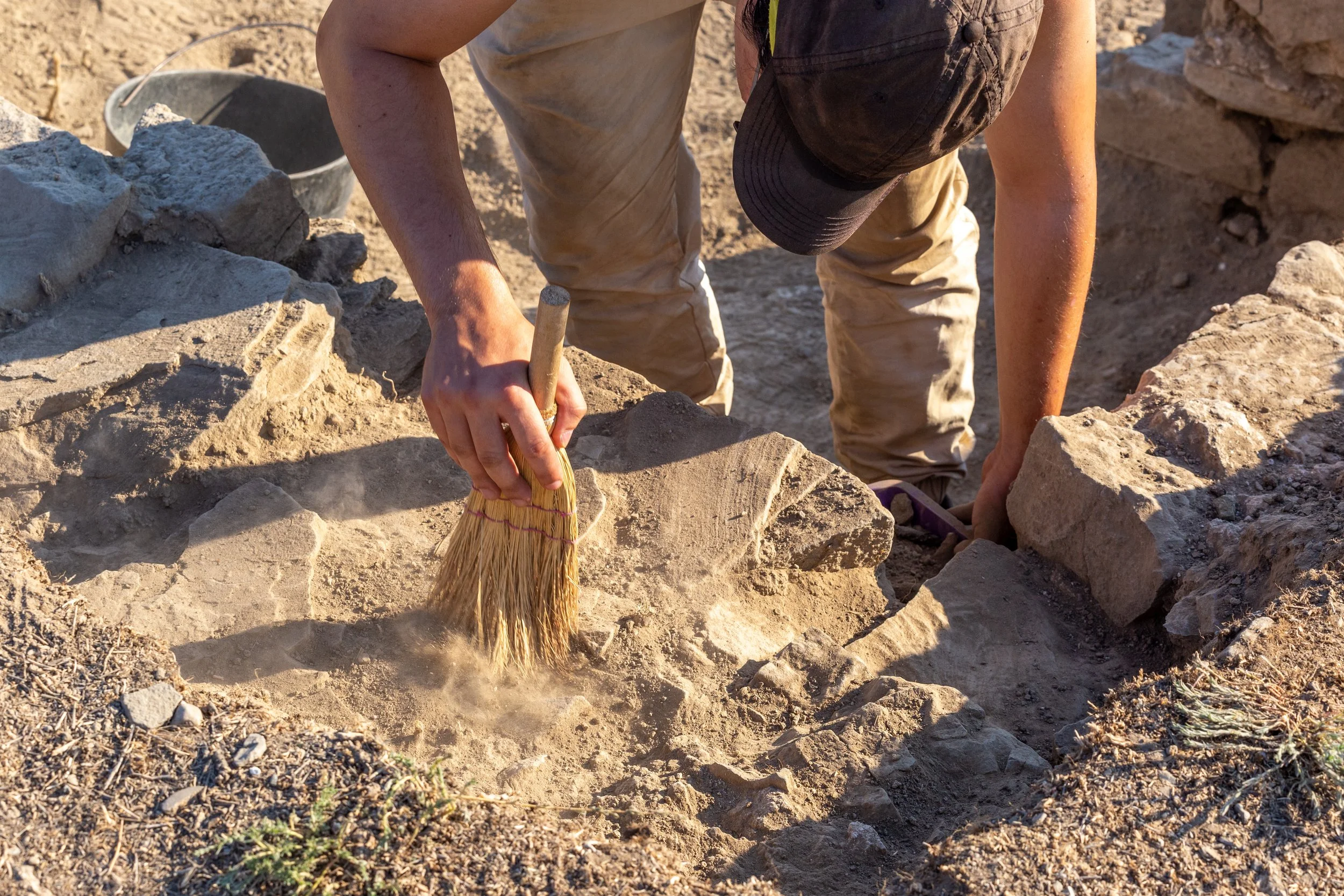
On-Site Monitoring and Archaeological Oversight Continuous or periodic presence of trained tribal monitors and anthropologists during ground-disturbing activities to detect and protect cultural resources.
Discovery Response and Emergency Protocols Immediate intervention upon discovery of human remains, artifacts, or sacred sites, including work stoppage coordination and stakeholder notifications.
Respectful Relocation, Repatriation, and Reburial Coordination of exhumation, temporary curation, and reinterment of human remains and funerary objects in consultation with tribal elders and descendants.
Anthropological Documentation and Analysis Scientific examination, cataloging, and reporting on artifacts to support repatriation, educational outreach, and compliance documentation.
Reporting and Compliance Support Preparation of technical reports, mitigation plans, and CEQA documentation to facilitate project approvals and avoid delays.
These services ensure projects avoid or minimize adverse impacts to TCRs—defined as sites, features, places, cultural landscapes, sacred places, or objects with cultural value to California Native American tribes that are either listed/eligible for listing in the California Register of Historical Resources or determined significant by tribal consultation.
We are stewards of Ohlone cultural heritage. Since the mid-1980s, our mission has been to protect sacred sites, burial grounds, and ancestral legacies through expert cultural resource management services. We partner with construction firms and agencies to ensure proactive compliance with California Environmental Quality Act (CEQA) and federal laws, delivering respectful cultural sensitivity training, archaeological monitoring, burial excavation, repatriation, scientific analysis, reburial, and repatriation that honors tribal sovereignty, cultural protocols, and the dignified treatment of human remains and artifacts.
By bridging tradition and development, we mitigate risks, preserve irreplaceable history, and cultivate sensitivity in projects across our ancestral territories—empowering sustainable progress that respects the past while envisioning a culturally vibrant future.
Key Laws and Regulations for Cultural Resource Compliance
Our services ensure construction sites adhere to essential California laws protecting Native American cultural resources, particularly burial sites. Below is a comprehensive list, with each including a brief overview of the law, its core requirements, and its role in safeguarding the dignity of ancestral burials.
AB 52 (2014) - Tribal Consultation under CEQA (Public Resources Code §§ 21074, 21080.3.1, 21084.2) This law mandates notifying tribes within 14 days of project applications, allowing 30 days for consultation requests, and treating Tribal Cultural Resource (TCR) impacts as significant under CEQA, requiring avoidance or mitigation. It protects burial dignity by integrating tribal input early, preventing desecration through culturally sensitive planning and halting developments that disrespect sacred sites.
Health & Safety Code § 7050.5 Upon discovering human remains, this code requires immediate work cessation, coroner notification within 24 hours, and NAHC involvement if Native American origins are suspected, followed by a 48-hour tribal inspection period. It upholds burial dignity by enforcing respectful pauses in construction, allowing tribes to assess and protect remains from disturbance, ensuring no hasty or irreverent handling occurs.
Public Resources Code § 5097.98 Paralleling § 7050.5 for Native American remains, it mandates on-site reinterment unless otherwise recommended, prohibits disturbance until processes complete, and requires tribal consultation. This safeguards burial dignity by prioritizing immediate site security and culturally appropriate reburial, minimizing exposure of remains and honoring ancestral resting places as sacred, non-commercial entities.
Public Resources Code § 5097.94 This establishes the NAHC's role in determining disposition of Native American remains and items, requiring tribal consultation for treatment and supporting repatriation. It protects burial dignity by vesting decision-making with tribes, ensuring remains are handled with spiritual reverence rather than scientific exploitation, and facilitating return to descendants for ceremonial closure.
California Native American Graves Protection and Repatriation Act (CalNAGPRA, 2001) (Health & Safety Code §§ 8010-8011) As a state analog to federal NAGPRA, it requires agencies and museums to inventory, consult on, and repatriate Native American remains and cultural items, applying to non-federally recognized tribes. It preserves burial dignity through mandatory cultural affiliation assessments and prompt returns, preventing indefinite storage and affirming tribes' sovereign rights over ancestors' sacred legacies.
CEQA Guidelines (Appendix G, Section XVII) (14 CCR § 15000 et seq.) These guidelines add TCR impact questions to environmental initial studies, requiring evaluation of substantial adverse changes to sacred sites or objects. They enhance burial protection by embedding tribal perspectives in impact assessments, mandating mitigation to avoid or minimize harm, thus ensuring developments respect the sanctity and inviolability of ancestral interments.
Public Resources Code § 21083.2 This mandates evaluation of unique archaeological resources in Environmental Impact Reports (EIRs), allowing preservation in place or mitigation funding instead of excavation. It supports burial dignity by favoring non-invasive alternatives, reducing exhumation risks, and prioritizing in-situ protection to maintain the spiritual wholeness of gravesites over project expediency.
Penal Code §§ 622 1/2, 623 These sections criminalize as misdemeanors the willful destruction or injury of archaeological, historical sites, or grave evidence, with penalties including fines and imprisonment. They deter burial desecration by imposing legal accountability on violators, reinforcing monitoring protocols to preserve site integrity and honor the perpetual dignity of undisturbed ancestral remains.
Government Code §§ 65351-65352.4 (SB 18) Requiring tribal involvement in general plan amendments with 45-day comment periods and meaningful consultation, this promotes land-use protections for cultural sites. It aids burial dignity by incorporating tribal veto power in planning, preventing approvals that encroach on sacred grounds and ensuring long-term safeguards against future developments that could profane resting places.
AB 130 This amends NAHC processes to enhance tribal notifications and consultations for cultural resource discoveries, strengthening repatriation pathways. It protects burial dignity by streamlining tribal authority in response protocols, reducing bureaucratic delays in reinterment, and emphasizing culturally sensitive handling to restore and venerate ancestors without commodification or prolonged separation from homelands.