The Rewrite Moves to the Statute Books
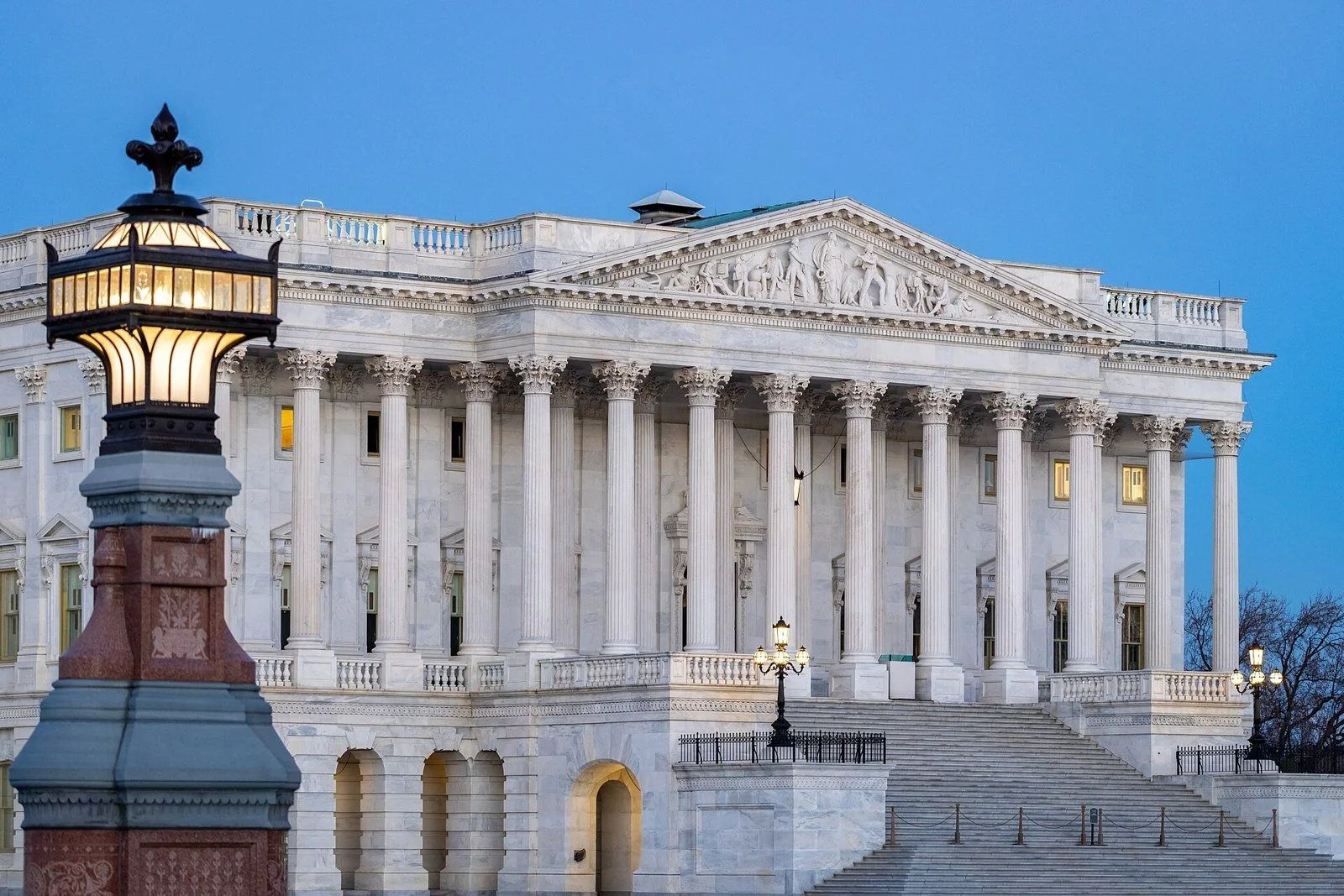
A bipartisan Senate permitting package, S. 5653, would write a narrower, deadline-driven Section 106 directly into the National Historic Preservation Act. Supporters call it a durable shield for tribal consultation; tribal organizations say it would facilitate “the demolition of our heritage.” The Senate’s first vote is set for Nov. 9.
The Process Before the Harm
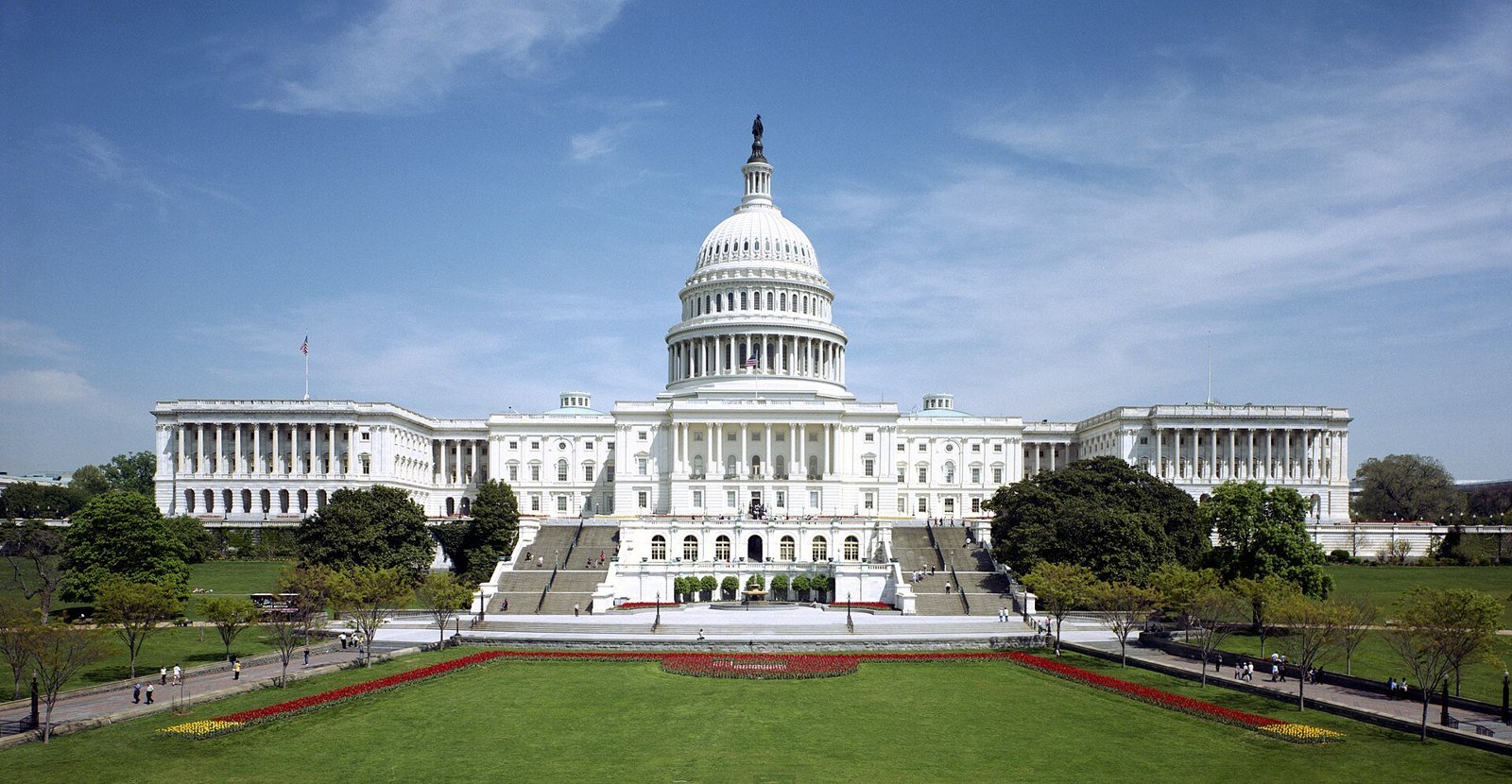
Congress is debating permitting reform, and the House has passed a major NEPA bill. Separately, the Advisory Council on Historic Preservation has voted to rewrite the regulations that make Section 106 of the National Historic Preservation Act work. Tribal organizations say the draft would shrink protection for sacred places and burial landscapes. The proposal is not yet law.
When the Review Door Closes
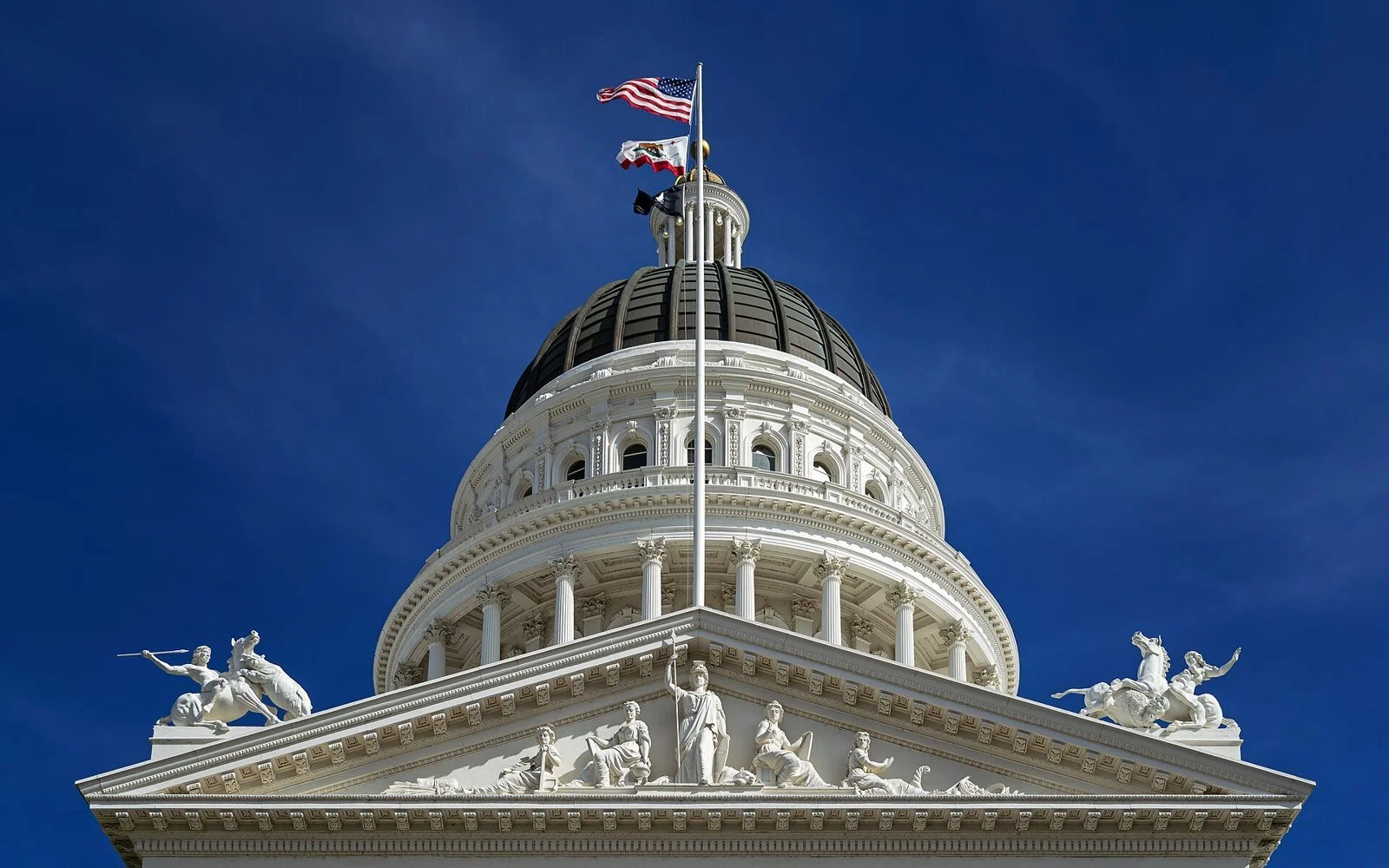
In June 2025, California carved large new holes in CEQA for housing and infrastructure. For urban infill homes, a compressed tribal consultation track survived. For other exemptions, the consultation that usually follows an environmental review often does not. This article explains what the text does, what tribes and opponents said, and what it means for Bay Area burial sites.
Before the First Shovel, and After
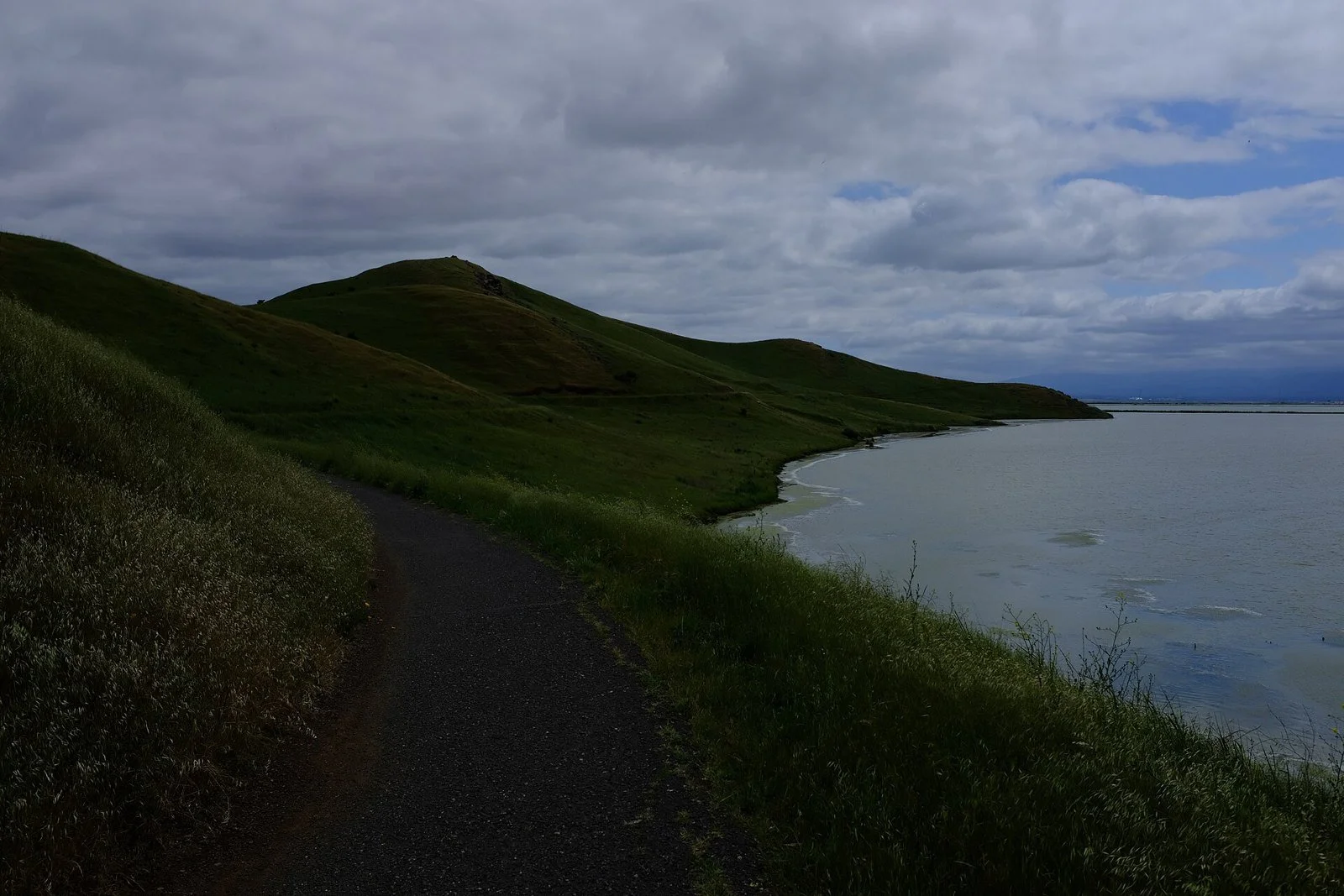
In the Bay Area, almost any trench can cross ancestral ground. Here is a plain-language guide to what California law asks of developers and public agencies, from tribal consultation under AB 52 and SB 18 to the hours after a crew finds human remains.
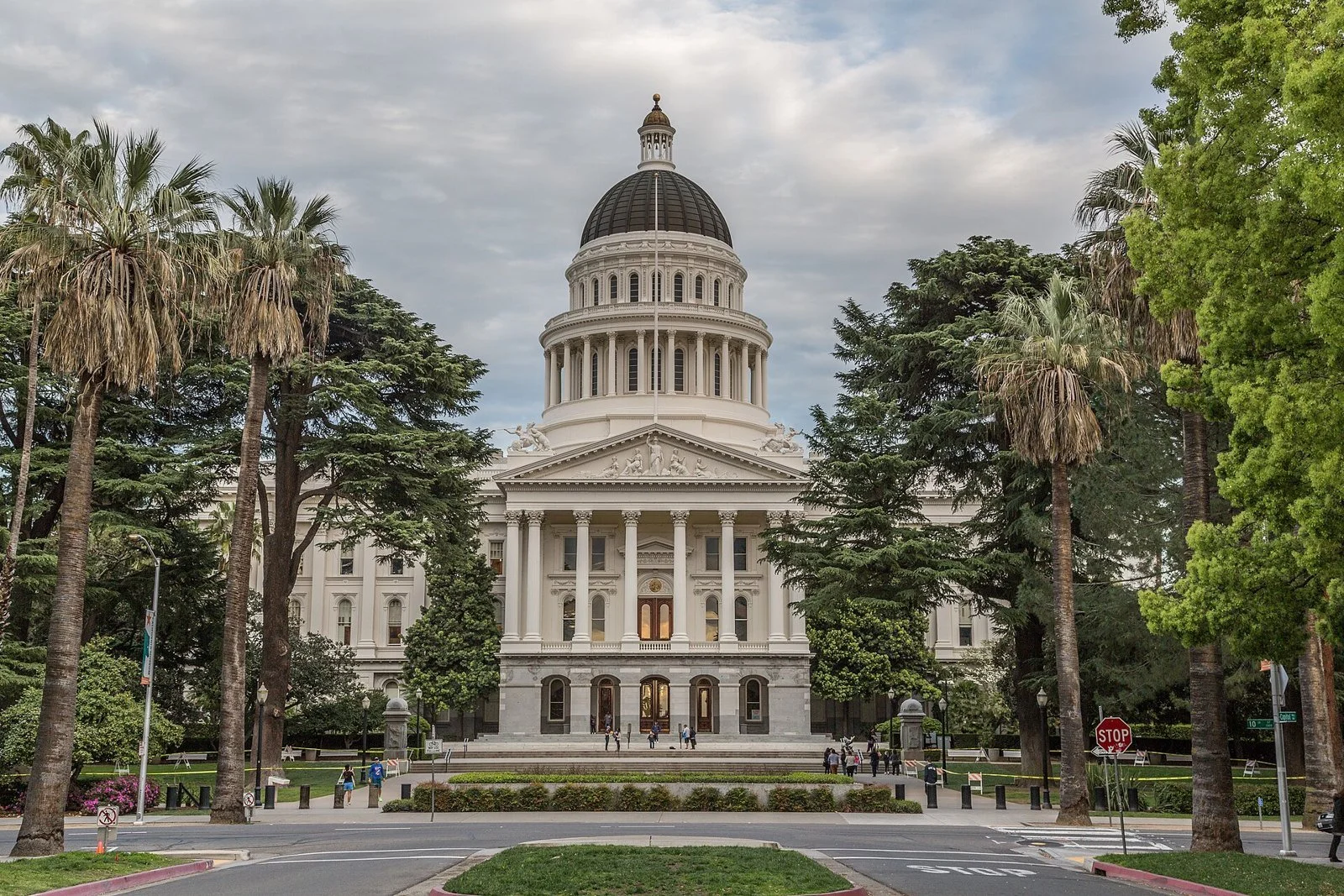
The Long Road Home
The University of California says it has now returned more than half of the 17,000 Native ancestors it held. State auditors say Berkeley alone could need until 2089. And a 2024 federal rule has left tribes without federal recognition, including the Bay Area’s Ohlone, standing outside the door.